
The Hidden Neuroscience of Rejection Sensitive Dysphoria (RSD)
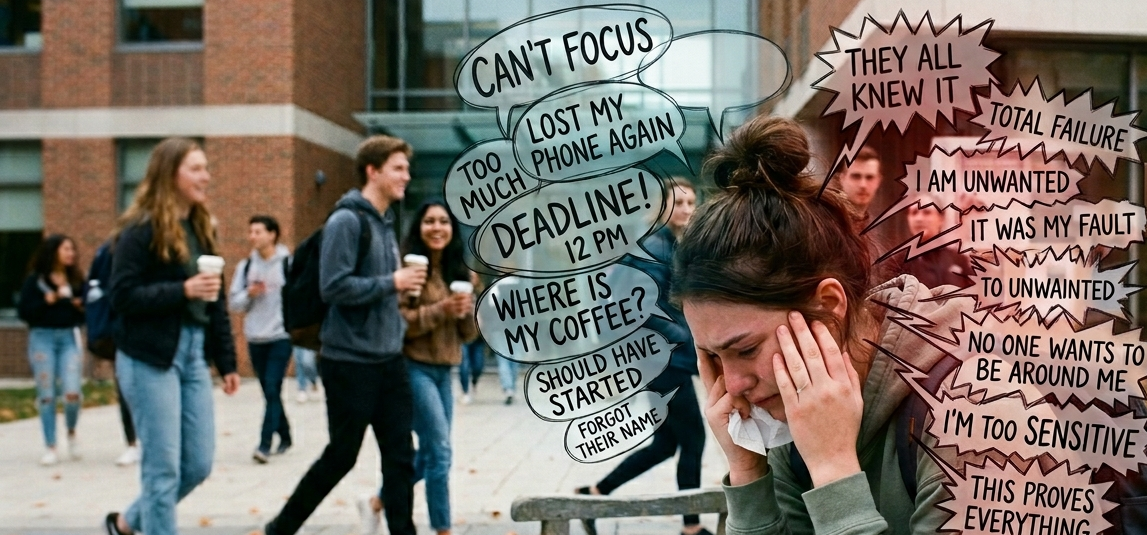
Why Rejection Feels Physically Painful with ADHD
The Neuroscience of Rejection Sensitive Dysphoria (RSD)
Perhaps a text went unanswered, a colleague gave brief feedback, or a friend cancelled plans.
While these situations may seem minor, many adults with ADHD experience them as deeply painful.
This common and significant experience for those with ADHD, is often referred to as Rejection Sensitive Dysphoria (RSD).
An intense emotional reaction to perceived criticism, rejection, failure, or disapproval.
The ADHD Brain and Emotional Pain
ADHD is often described as a disorder of attention, but neuroscience tells a different story.
The condition affects brain networks involved in:
- Emotional regulation
- Impulse control
- Threat detection
- Motivation
- Reward processing
When these systems work differently, emotional experiences can feel far more intense.
The Prefrontal Cortex
The prefrontal cortex helps us regulate emotions, assess situations objectively, and pause before reacting.
In ADHD, this region can be less effective at moderating emotional responses, meaning feelings may arrive faster than rational analysis.
The Amygdala
The amygdala acts as the brain's threat detector.
Research suggests that people with ADHD may experience heightened emotional reactivity, causing criticism or perceived rejection to trigger a stronger threat response than intended.
Dopamine and Resilience
ADHD is associated with differences in dopamine regulation.
While dopamine is known for its role in motivation, it also influences emotional resilience. Lower dopamine activity can make setbacks feel more significant and harder to recover from.
The result is that a relatively small social disappointment can feel like a major emotional injury.
Why RSD Develops
Many adults with ADHD grow up receiving more criticism, correction, and negative feedback than their peers.
Over time, the brain learns to scan for signs of rejection in order to protect itself from future emotional pain.
This can create a state of heightened sensitivity where neutral situations are sometimes interpreted as evidence of disapproval.
The Hidden Signs of RSD
RSD doesn't always look like emotional distress.
It can show up as:
- Perfectionism
- People-pleasing
- Procrastination
- Avoidance of new opportunities
- Fear of feedback
Many adults with ADHD avoid situations where rejection is possible, often without realising that RSD is driving this behaviour.
What Can Help?
The goal isn't to become less sensitive.
Instead, the aim is to create space between the trigger and the reaction.
Helpful strategies include:
- ADHD coaching and/or ADHD therapy
- Mindfulness and emotional awareness
- Challenging automatic assumptions
- Building supportive relationships
- Regular exercise and stress management
One particularly useful question is:
"Am I being rejected, or am I feeling rejected?"
That distinction alone can help interrupt the brain's automatic threat response.
The Bottom Line
For many adults with ADHD, rejection doesn't simply hurt feelings, it activates neural systems involved in emotional pain, threat detection, and self-protection.
Understanding the neuroscience behind RSD can be transformative.
The intense emotions are real, but they are not always accurate reflections of reality.
When you understand how your brain processes rejection, you gain the ability to respond with greater awareness, resilience and self-compassion.
That can change everything.

